Treatment-Resistant Anxiety Therapeutic Approaches That Work

TL;DR:
Treatment-resistant anxiety is diagnosed after unsuccessful trials of at least two standard treatments at proper doses and durations.
Advanced options like augmentation medications, specialized psychotherapies, neuromodulation, and lifestyle changes can help when standard care fails.
When standard anxiety treatments stop delivering results, it does not mean you have run out of options. Treatment-resistant anxiety therapeutic approaches now span a wider range than most patients realize, from advanced medication strategies and specialized psychotherapies to neuromodulation and emerging interventions. Treatment-resistant anxiety is generally defined as failing to adequately respond to at least two standard treatments. That definition matters because it shifts the conversation from “why isn’t this working?” to “what do we try next?” This guide covers exactly that.
Table of Contents
Key takeaways
Point | Details |
Treatment resistance has a clinical definition | Failing two adequate treatment trials signals true resistance, not personal failure. |
Medication options extend far beyond SSRIs | Augmentation agents, ketamine, and GABA-analogs offer real alternatives when first-line drugs fall short. |
Psychotherapy goes deeper than CBT | ACT, DBT, EMDR, and exposure-based therapies address mechanisms standard CBT may miss. |
Neuromodulation is now accessible | rTMS and ketamine-assisted therapy are available in New York for qualifying patients. |
Lifestyle changes amplify treatment | Exercise, sleep, and stress management measurably improve outcomes alongside clinical care. |
1. Understanding treatment-resistant anxiety therapeutic approaches
Before exploring alternatives, you need to know what “treatment-resistant” actually means clinically. It is not simply having anxiety that feels severe. Clinicians typically apply this label when a patient has completed at least two adequate treatment trials without meaningful relief.
Adequate means the right dose, taken consistently, for a sufficient duration. An SSRI trial, for example, needs several weeks at a therapeutic dose before conclusions can be drawn. Many cases of apparent resistance turn out to be incomplete treatment rather than true resistance.
Insufficient dose or duration of medication
Poor therapy attendance or incomplete exposure exercises
Unaddressed comorbidities such as ADHD, depression, or OCD
Underlying medical conditions like thyroid dysfunction, sleep apnea, or hormonal imbalances that worsen or mimic anxiety
Trauma history that requires a different therapeutic target
A thorough psychiatric evaluation is the non-negotiable starting point. For patients in New York who cannot easily access in-person care in White Plains or Brooklyn, telehealth psychiatry in New York offers the same level of specialist assessment from home.
Pro Tip: Before assuming your anxiety is truly treatment-resistant, ask your psychiatrist to review whether each prior treatment was completed at an adequate dose and duration. This single step sometimes reveals an easy fix.
2. Medication augmentation when first-line drugs fall short
Between 30 and 50% of patients respond to the first medication offered for anxiety, which means the majority need a different strategy. Augmentation involves adding a second agent to an existing medication rather than starting over entirely.
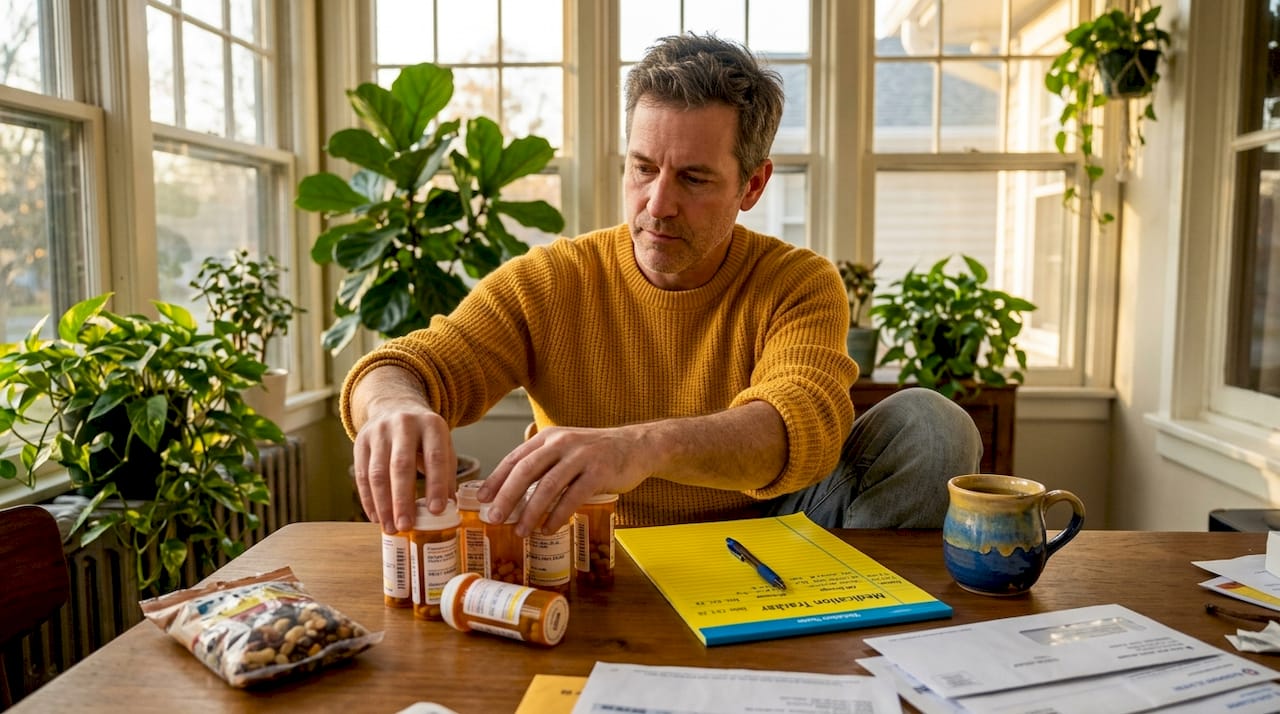
Common augmentation approaches include buspirone, which works on serotonin receptors without the dependency risks of benzodiazepines, and bupropion, which targets dopamine and norepinephrine pathways. Atypical antipsychotics such as quetiapine, aripiprazole, and risperidone are sometimes added in low doses when anxiety overlaps with mood instability or intrusive thoughts.
GABA-analogs like pregabalin and gabapentin address the neurological hyperexcitability that drives certain anxiety presentations, particularly generalized anxiety disorder. Tricyclic antidepressants, while older, remain effective for patients who have not responded to newer agents.
For patients with more severe or persistent symptoms, ketamine and esketamine promote neuroplasticity and brain-derived neurotrophic factor (BDNF), potentially allowing the brain to rewire maladaptive fear circuits. This rapid-acting mechanism is fundamentally different from how SSRIs work, which is exactly why it can succeed where other medications have not.
Benzodiazepines are not recommended for routine long-term therapy due to dependency and tolerance risks. They serve a role as short-term bridges while waiting for antidepressants to take effect, but they are not a long-term solution for treatment-resistant cases.
Pro Tip: Medication management for treatment-resistant anxiety works best with a psychiatrist who specializes in complex cases, not a general practitioner. The difference in outcome can be significant.
3. Advanced psychotherapy beyond standard CBT
Standard cognitive behavioral therapy (CBT) is effective for many people, but it is not the only tool. When CBT has not produced lasting relief, the problem often lies in what the therapy is targeting. Shifting the focus from cognitive distortions to behavioral patterns like avoidance can be transformative for patients stuck in treatment resistance.
Here are the psychotherapy approaches that go further:
Exposure and response prevention (ERP): Directly targets avoidance behavior, which is the primary mechanism keeping anxiety alive. Exposure therapy produces long-lasting benefits in 60 to 80% of people, with effects persisting years after therapy ends.
Acceptance and Commitment Therapy (ACT): Teaches patients to accept anxious thoughts without letting those thoughts dictate behavior. This is especially useful when patients have become trapped in cycles of fighting or suppressing anxiety.
Dialectical Behavior Therapy (DBT): Builds emotional regulation skills that are particularly helpful when anxiety coexists with intense emotional reactivity or borderline traits.
Eye Movement Desensitization and Reprocessing (EMDR): Targets traumatic memories that silently fuel anxiety. Many patients with treatment-resistant anxiety have an unprocessed trauma history that standard CBT never directly addresses.
Psychodynamic therapy: Explores the deeper relational and developmental roots of anxiety, which is often the missing piece for patients whose anxiety has been present since childhood.
Intensive outpatient and residential programs: When weekly therapy is not enough, multidisciplinary intensive programs combine therapy, medication optimization, and structured support in a more concentrated format.
Combining medication with psychotherapy consistently yields more durable benefits in treatment-resistant cases than either approach alone. This is not a coincidence. Medication can reduce the physiological intensity of anxiety enough for therapy to take hold, while therapy builds the skills that medication cannot.
4. Neuromodulation and emerging therapies
Neuromodulation represents one of the most exciting frontiers in overcoming treatment-resistant anxiety. These approaches work directly on brain circuits rather than through systemic medication, which opens entirely new pathways for patients who have exhausted pharmacological options.
Therapy | Mechanism | Current Status | Accessibility in New York |
rTMS (repetitive Transcranial Magnetic Stimulation) | Magnetic pulses modulate prefrontal cortex activity | FDA-approved for depression; explored for anxiety | Available at specialized centers |
Ketamine/Esketamine | Promotes BDNF and neuroplasticity via glutamate | FDA-approved for depression; used off-label for anxiety | Available at select clinics |
Neurofeedback | Real-time brainwave training for self-regulation | Experimental; growing evidence base | Available at specialized providers |
Virtual reality exposure therapy | Controlled immersive environments for fear extinction | Emerging; promising early data | Limited but growing availability |
Psychedelic-assisted therapy (psilocybin, MDMA) | Serotonin modulation and neuroplasticity | Clinical trial phase; not yet widely available | Research settings only |
Neuromodulation options like rTMS and rapid-acting glutamatergic agents such as ketamine show genuine promise, though specialist evaluation is required to determine suitability. Not every patient qualifies, and these treatments work best as part of a coordinated care plan rather than standalone interventions.
Telehealth psychiatry in New York plays a practical role here. Initial evaluations, follow-up monitoring, and medication management surrounding these interventions can often be handled remotely, reducing barriers for patients across Westchester County and beyond.
5. Lifestyle interventions that actually move the needle
Lifestyle changes are not a substitute for clinical treatment, but dismissing them as secondary is a clinical mistake. The evidence is stronger than most people expect.
Aerobic exercise: Regular exercise can be as effective as medication for anxiety, improving symptoms through mood regulation and neurochemical changes. Thirty minutes of moderate cardio most days of the week is a reasonable target.
Sleep hygiene and sleep disorder treatment: Untreated sleep apnea, insomnia, and circadian disruption all amplify anxiety symptoms and reduce treatment response. Addressing sleep is often a faster win than adding another medication.
Mindfulness-based stress reduction (MBSR): Structured mindfulness programs reduce anxiety symptoms and improve emotional regulation. This is different from casual meditation apps. MBSR is an eight-week clinical program with a solid evidence base.
Substance use reduction: Alcohol, cannabis, and stimulants all interact with anxiety in ways that undermine treatment. Even moderate alcohol use can blunt the effectiveness of SSRIs and therapy.
Social support and family involvement: Isolation amplifies anxiety. Structured family involvement in treatment, particularly for adolescent patients, significantly improves outcomes.
Pro Tip: Track your sleep quality alongside your anxiety symptoms for two weeks. The correlation is often striking, and it gives your psychiatrist concrete data to work with rather than general impressions.
6. Comparing your options: a practical guide to choosing
With so many treatment-resistant anxiety options available, the real challenge is knowing which combination makes sense for your specific situation. This is where a personalized treatment approach makes the most difference.
Factor | Recommended Direction |
Prior medication trials only | Add specialized psychotherapy (ERP, ACT, or EMDR) |
Prior therapy only | Pursue comprehensive medication evaluation and augmentation |
Comorbid ADHD or depression | Treat comorbidities first; anxiety often improves in parallel |
Trauma history | Prioritize EMDR or trauma-focused CBT before other approaches |
Severe, impairing symptoms | Consider intensive outpatient program or neuromodulation evaluation |
Pediatric or adolescent patient | Seek child and adolescent psychiatry specialist; family involvement is critical |
Limited in-person access | Telehealth psychiatry in New York covers most evaluation and management needs |
Age, symptom severity, comorbidities, treatment history, and insurance coverage all shape the best path forward. Shared decision-making with a specialist, rather than trial-and-error on your own, is the most efficient route. Patients in White Plains, Brooklyn, and across New York State have access to specialized psychiatric care that can guide this process systematically.
Persistence matters. Treatment-resistant anxiety rarely resolves with a single change. The patients who see the most meaningful improvement are those who stay engaged with the process, communicate openly with their care team, and give each intervention adequate time to work.
My honest take on treatment-resistant anxiety
I have worked with patients across the full age range, from children with school refusal rooted in undiagnosed anxiety to adults who have been cycling through treatments for a decade. What I have learned is that treatment resistance is almost never a dead end. It is usually a signal that the treatment has been targeting the wrong mechanism.
The most common pattern I see is patients who have done years of talk therapy focused on understanding their anxiety, without ever doing the behavioral work of facing it. Anxiety lives in avoidance. When therapy does not directly challenge that avoidance through structured exposure, the anxiety stays intact no matter how much insight the patient develops.
The second pattern is patients who have never had a truly comprehensive evaluation. They were started on an SSRI by a primary care physician, it did not fully work, and the conclusion was that medication does not help them. What was often missed: a comorbid ADHD diagnosis, a sleep disorder, or a trauma history that needed a completely different therapeutic target.
My advice is this. If you have not responded to standard treatments, you have not exhausted your options. You have simply not yet found the right combination. Seek out a psychiatrist who specializes in complex anxiety presentations, ask specifically about augmentation strategies and advanced therapies, and do not accept “we’ve tried everything” as a final answer. In my experience, that statement is almost never accurate.
— Martin
Ready to explore what’s actually possible for your anxiety?
If standard treatments have not delivered the relief you need, 2ndarc is built for exactly this situation. At 2nd Arc Psychiatric Associates, the team specializes in complex, treatment-resistant cases across pediatric, adolescent, and adult psychiatry, with personalized plans that go well beyond first-line approaches.

2ndarc offers in-person care in White Plains and Brooklyn, plus telehealth psychiatry available statewide across New York, often with appointments available within 24 hours. The practice provides advanced psychiatric care including medication management, SPRAVATO treatments for qualifying patients, and coordinated therapy referrals tailored to your specific history and needs. Most major insurance plans are accepted, making specialized care accessible without unnecessary barriers. Book your evaluation online at 2ndarc.com/book-online and take the first concrete step toward a treatment plan that actually fits you.
FAQ
What qualifies as treatment-resistant anxiety?
Treatment-resistant anxiety is generally defined as failing to adequately respond to at least two standard treatments, such as antidepressant medication trials or CBT, completed at appropriate doses and durations.
Can medication still help if SSRIs have not worked?
Yes. Augmentation strategies using agents like buspirone, atypical antipsychotics, GABA-analogs, or ketamine-based therapies offer meaningful alternatives when SSRIs and SNRIs have been insufficient.
Is rTMS approved for anxiety treatment?
rTMS is FDA-approved for depression and is increasingly explored for anxiety disorders, but it currently requires specialist evaluation to determine eligibility and is used off-label for anxiety in most cases.
How do I know which therapy approach is right for me?
The best approach depends on your specific anxiety mechanisms, comorbidities, treatment history, and age. A comprehensive psychiatric evaluation with a specialist is the most reliable way to identify the right combination.
Can children and adolescents access these advanced treatments?
Many of these approaches, including specialized psychotherapy, medication augmentation, and lifestyle interventions, are appropriate for pediatric and adolescent patients when delivered by a child and adolescent psychiatry specialist with family involvement.
Recommended


Comments